Bahasa Indonesia
  English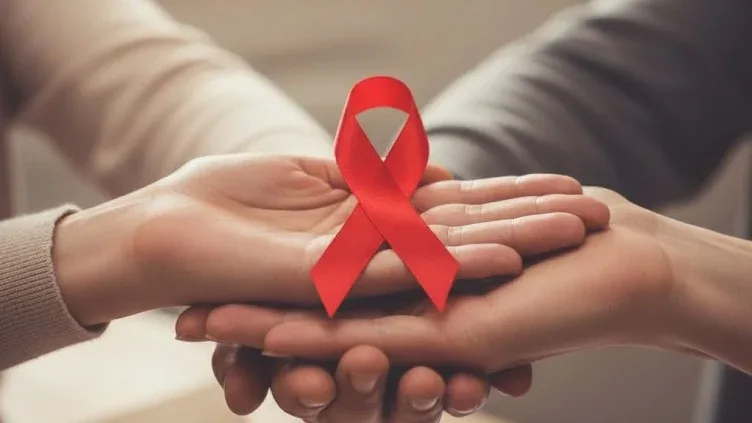
If you’ve heard a lot about HIV but still feel unsure about the symptoms or how to prevent it, you’re not alone. Many people think HIV always shows obvious signs, but that’s not always the case. The symptoms of HIV can vary widely, and in the early stages, many people don’t feel anything at all. That’s why understanding the common signs of HIV is important so you can be more aware of the risks.
HIV is a serious condition, but with the right information, you can take steps to prevent it early on. Let’s break it down in a simple and easy-to-understand way.
Please note that this information is general and educational. A definitive diagnosis can only be made through an HIV test at a healthcare facility.
What Is HIV?
Before discussing the symptoms of HIV, it’s important to understand what HIV actually is. HIV (Human Immunodeficiency Virus) is a virus that attacks the immune system, especially CD4 cells that help the body fight infections. When these cells decrease, the body becomes more vulnerable to various illnesses.
HIV is different from AIDS. HIV is the virus itself, while AIDS is the condition that occurs when the immune system becomes severely damaged due to untreated HIV. A person can live for years with HIV without showing signs of AIDS, especially if they receive regular treatment.
Common Symptoms of HIV
This is the core part of the discussion. The symptoms of HIV can differ from one person to another and often resemble common illnesses. Some people experience noticeable signs, while others may not feel anything for years.
To make it easier to understand, let’s divide the symptoms based on the stages of HIV progression.
1. Early Symptoms of HIV (1–4 Weeks After Infection)
This stage is often called acute HIV infection. Many people assume they just have the flu because the symptoms are very similar. Some of the most common early symptoms include:
- Mild to moderate fever
- Sore throat
- Muscle and joint pain
- Skin rash, often appearing on the face, chest, or other areas
- Swollen lymph nodes
- Extreme fatigue
At this stage, the virus multiplies rapidly. But because the early symptoms of HIV are so general, many people don’t realize they’re infected.
2. Chronic HIV Symptoms (Ongoing Stage)
After the acute phase, HIV enters a chronic stage that can last for years. Symptoms may become milder or even disappear entirely.
However, the following signs can be indicators of progressing HIV:
- Unexplained weight loss
- Persistent fatigue
- Recurrent infections, such as mouth sores that don’t heal
- Headaches and fluctuating fevers
- Night sweats
- Recurring diarrhea
3. Advanced HIV Symptoms (When It Progresses to AIDS)
If HIV goes undetected and untreated, it can weaken the immune system severely. At this point, the body becomes vulnerable to opportunistic infections.
Common symptoms include:
- Severe and recurrent infections
- Sores on the mouth or genital area that don’t heal
- Pneumonia or repeated lung infections
- Extreme weight loss (wasting syndrome)
- Neurological issues such as confusion or memory problems
Again, these signs alone do not confirm HIV, but they are important warning signals.
Also Read: How to Use a Condom to Prevent Leaks — Stay Comfortable and Safe!
How HIV Spreads
To avoid misunderstandings, HIV can only be transmitted through specific routes. The most common include:
1. Unprotected sexual intercourse
Sexual contact without a condom with someone who has HIV can transmit the virus through bodily fluids such as semen, vaginal fluids, or blood. The risk increases if there are small cuts or irritation in the genital area that allow the virus to enter the body more easily.
2. Sharing needles
HIV can be transmitted when someone uses a needle previously used by another person, especially among injectable drug users. The virus can survive in leftover blood on the needle or unsterilized equipment.
3. Blood transfusion
Although rare, HIV can be transmitted through contaminated blood. However, in Indonesia and many other countries, blood screening procedures are very strict, making this risk extremely low.
4. Mother-to-child transmission
Transmission can occur during pregnancy, childbirth, or breastfeeding if not properly managed. With the right medical treatment, mothers with HIV can significantly reduce the risk of passing the virus to their babies.
Also Read: Types of Condoms Women Love for Hotter Intimacy
How to Prevent HIV
Understanding the symptoms of HIV is not enough—you also need to know how to prevent it effectively. Here are some ways to reduce your risk of HIV transmission:
1. Use a Condom Every Time You Have Sex
Using condoms consistently is one of the most effective ways to prevent HIV, especially because many HIV symptoms don’t appear in the early stages. Condoms help prevent the exchange of bodily fluids, which is the main route of HIV transmission.
2. Avoid Sharing Needles
Shared needles can carry traces of blood containing HIV. Always use sterile, single-use needles to avoid the risk.
3. Get Regular HIV Tests
Because the symptoms of HIV can resemble common illnesses, regular testing is the best way to know your actual health status. HIV tests are available at many healthcare facilities and the process is quick and simple.
4. Educate Yourself and Your Partner
Accurate information helps you make better decisions to maintain sexual health. The more you and your partner understand how HIV spreads and how to prevent it, the lower your risk will be.
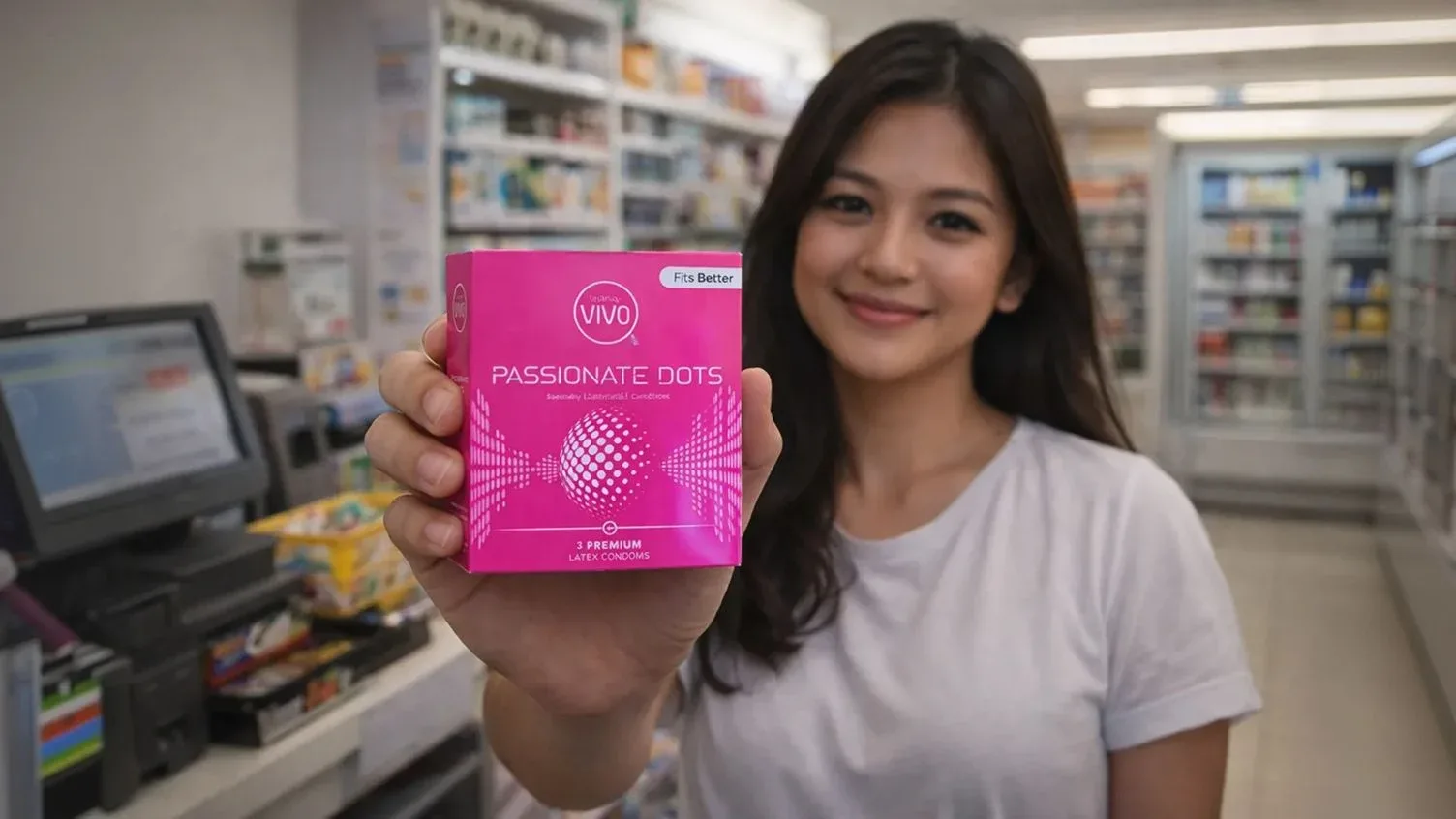
Prevent HIV with VIVO Condoms During Sexual Activity
Preventing HIV can start with a simple habit: always using a condom when you have sex. Because the symptoms of HIV often don’t appear early on, consistent protection is crucial to keep both you and your partner safe. HIV spreads through bodily fluids, so condoms act as one of the most effective barriers to reduce that risk.
If you’re looking for a safe, comfortable condom with multiple variants to suit your needs, VIVO condoms are a great choice. VIVO offers a range of options—from ultra-thin and textured types to condoms with extra sensation—so you can choose the one that fits your intimate experience best. To explore all the available options, check out the VIVO condom catalog and find the perfect match for you.